
The Symbiosis of Native Vegetation with Food Crops
- Cindy Murray
- Nov 6, 2025
- 3 min read
By Cindy Murray

Horticulturalists are becoming more and more aware that native vegetation thriving alongside or near crops is advantageous, and there are a number of good reasons for this. These plants have been adapting to local climate, soil, moisture, and biological conditions for thousands of years, which, in essence, has led them to develop an intricate ecological balance with nature. Here I will discuss several benefits of farming and gardening alongside native plants.
Beneficial insects

Seeing that native flowering plants are adapted to local climates and often require less water than cultivars, growers may opt to plant natives next to or among their crops to lure in pollinators. Some food crops, like tomatoes, are capable of self-pollinating but produce better with the aid of pollinators. On the other hand, a great deal of crops cannot produce without them. One caveat is that growers will likely need to plant several different native species that bloom in succession. This will ensure that pollinators will be present the entire time their crop is flowering.

Habitat for natural enemies of pests
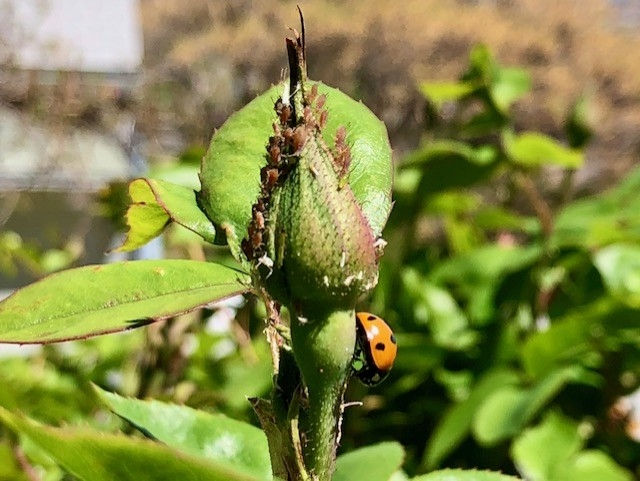
My husband and I have landscaped our property with a multitude of native plant and tree species. We have witnessed dozens of wildlife species take residence or migrate through our property, feasting on various food sources. Providently for us and our plants, these creatures include numerous insectivorous birds. Each spring, as leaves and flowers unfurl on our fruit trees, hordes of thrips and aphids descend upon nascent leaves and flowers and start siphoning off vital plant fluids. But because insectivorous birds are already in our back yard, various species of finches, sparrows, and warblers immediately commence pecking them off. Our property also harbors gopher snakes, which keep down the rodent populations. And our native plants shelter predacious insects like lady beetles, green lacewings, hoverflies, and preying mantids, all of which benefit our vegetable gardens and fruit trees.
CalPoly University in Pomona, California has recently launched a study in avocado and citrus orchards to investigate whether planting hedgerows and floral strips of native vegetation can reduce pesticide use. Along with planting perennials that attract predators of pestiferous arthropods, they will install species such as milkweed that lure pollinators.
Water and soil conservation
Certain farmers in the American Midwest are placing prairie strips alongside their crops, a fairly recent horticultural practice. The Iowa State University website informs us that STRIPS is an acronym for Science-based Trials of Rowcrops Integrated with Prairie Strips. It states, “Prairie strips are a conservation practice that protects soil and water while providing habitat for wildlife.” Prairie strips are 30 to 120 feet wide, and are placed intermittently in row-crop fields, especially areas experiencing erosion and nutrient loss.
Matt Helmers, a prairie strip researcher at Iowa State University, describes some of the ways the strips work: “Nutrients are valuable and they’re also a liability once they get out of our fields and get into streams and rivers and water supplies.” He continues, “During a big rain storm, each prairie strip acts like a mini speed bump.” Essentially, they compel water to seep down throughout the root zone (which is extra deep for native plants) holding soil in place, increasing organic matter, improving infiltration, removing contaminants such as excess fertilizer, and reducing compaction.
Increased soil biodiversity
Native plants and animals are not the only living entities having evolved along with the environment. Native soils have, too. Indeed, their key components include a slew of beneficial microorganisms and invertebrates. Mycorrhizal fungi have developed symbiotic relationships with native plant roots. The fungus’s fine mycelial filaments extend beyond the reach of roots, giving plants greater access to moisture and nutrients. These native plant-associated fungi will provide similar benefits for nearby crops and gardens.
Nitrogen-fixing native plants like lupine and locoweed form a symbiotic relationship with certain soil bacteria whereby they convert atmospheric nitrogen into nitrogenous compounds that plants can metabolize, potentially reducing the need for fertilizers.

Many Northern Arizona gardeners can attest that planting native vegetation on our properties bolsters edible plant production, beautifies our landscapes, and draws in wildlife. I intend to continue researching the subject, and will share new developments I find that can help you benefit from this vital ecological balance established over thousands of years.

Comments