
Growing Hot Peppers in Northern Arizona
by Richard McCormick
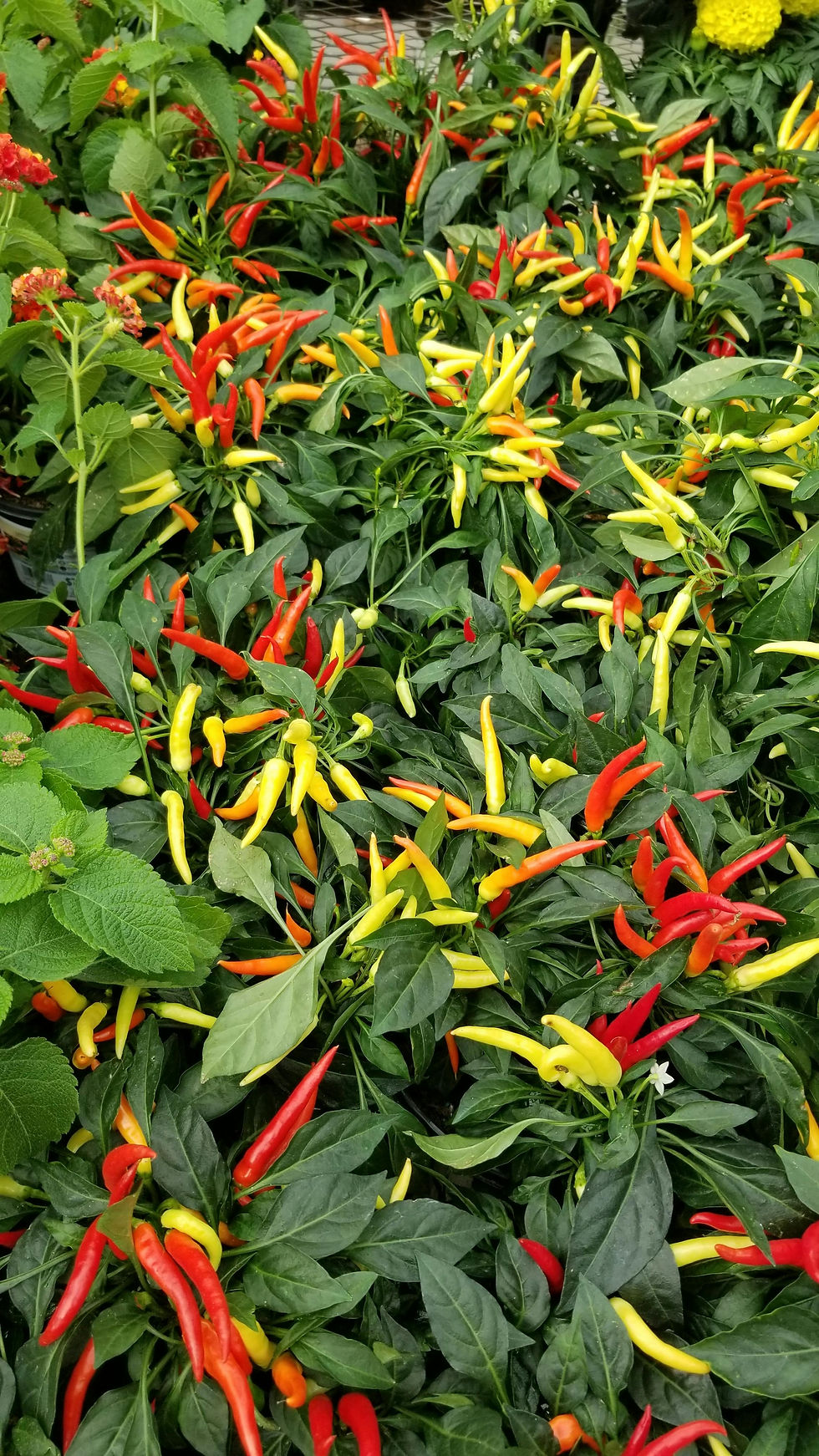
Few crops are as closely tied to Southwestern cooking as hot peppers. Whether roasted for green chile, chopped into fresh salsa, or blended into homemade hot sauce, peppers bring flavor and heat to some of the region's most recognizable dishes. They're also well suited to backyard gardens throughout Arizona, where warm temperatures and abundant sunshine create ideal growing conditions. For gardeners looking to grow something both productive and useful in the kitchen, peppers are hard to beat.
Peppers (Capsicum species) are warm-season plants that thrive in full sun and warm soil. Most varieties grow best when daytime temperatures stay between 75 and 95 degrees Fahrenheit. Because they are sensitive to frost, gardeners in higher-elevation communities such as Flagstaff should wait until nighttime temperatures consistently remain above 50 degrees before planting outdoors. Starting seeds indoors six to eight weeks before the last spring frost can provide a useful head start, especially in areas with shorter growing seasons.
Healthy soil goes a long way toward producing a successful pepper crop. Many Southwestern soils benefit from the addition of compost before planting, which improves both fertility and water retention. Peppers prefer well-drained soil and respond well to raised beds or containers. Once established, they perform best with deep, consistent watering rather than frequent shallow irrigation. Applying mulch around the base of the plants can help conserve moisture, suppress weeds, and moderate soil temperatures during the hottest parts of summer.
One mistake new gardeners often make is overwatering. Pepper plants generally tolerate brief periods of dry conditions better than constantly soggy soil. Allowing the upper layer of soil to dry slightly between waterings encourages healthy root development and can help prevent diseases. While peppers are not especially demanding plants, a balanced fertilizer applied according to label directions can improve growth and fruit production throughout the season.

Jalapeños remain one of the most popular choices for home gardeners. They are productive, relatively easy to grow, and useful in a wide range of recipes. Fresh salsa, pickling, grilling, and stuffed poppers are all popular uses. The peppers are typically harvested while green, but allowing them to ripen to red on the plant produces a sweeter flavor. Regular harvesting encourages plants to continue producing throughout the growing season.
No discussion of Southwestern peppers would be complete without Hatch-style chiles. Although most closely associated with New Mexico, these peppers grow well throughout much of Arizona. Depending on the variety, they can range from mild to fairly spicy. Many gardeners enjoy roasting their harvest over an open flame to develop the rich, smoky flavor that has made Hatch chiles famous across the Southwest. The aroma of freshly roasted chiles has become a familiar sign that late summer harvest season has arrived.
Gardeners looking for a bigger challenge may want to try habaneros. These small peppers pack considerable heat but also offer a distinctive fruity flavor that works especially well in hot sauces and marinades. Because habaneros require a longer growing season, northern Arizona gardeners often have the best results when they start seeds indoors early and transplant healthy seedlings after the danger of frost has passed.
Even though peppers generally thrive in our climate, they are not completely trouble free. Periods of extreme heat can cause blossoms to drop before fruit develops, reducing yields temporarily. Fortunately, plants often resume normal production once temperatures moderate. Aphids and spider mites may also appear during dry weather. Regular inspection and a strong spray of water are often enough to keep minor infestations under control. Keeping plants healthy and avoiding unnecessary stress is usually the best defense against pest problems.
Growing hot peppers can be rewarding for both new and experienced gardeners. A handful of plants can produce an impressive harvest, and the wide variety of available peppers allows gardeners to choose the level of heat and flavor that best suits their tastes. From mild jalapeños to fiery habaneros, peppers fit naturally into Arizona gardens and continue a food tradition that has been part of the Southwest for generations.
Richard McCormick, University of Arizona Master Gardener, is a computer scientist born in Flagstaff with a passion for gardening and technology.
Gardening Etcetera is written for the community by certified Master Gardeners of the University of Arizona's Coconino County Cooperative Extension Master Gardener Program. To learn more, visit extension.arizona.edu/programs/coconino-county-master-gardener.


Comments