

Gathering Autumn Seeds for Next Year’s Garden

By Laura Huenneke
Fall signals the fading of wildflowers, garden blossoms, and bountiful garden produce. But it’s also a wonderful time for appreciating the magic of seeds, collecting them, and planning for a next generation of beloved plants.
Seeds are nature’s way of conveying a plant’s genetics across time and space, dispersing those genes across the landscape. Seeds are as fascinating in their diversity and intricacy as flowers. Many of the structures we call seeds are technically fruits (the remnants of the parent flower with the next generation of seeds inside), and botanists use a dizzying array of specialized terms to name and describe them. But we can appreciate them without such details.
October is a perfect time to revisit plants you have loved over the past season and look carefully for fruits and seeds. This includes inspecting your own vegetable and flower gardens for winning varieties to save or to share. This is the third consecutive year I’m saving seeds from a mahogany red marigold that has thrived in my garden, for example. But you might also return to a favorite neighborhood trail to find potential seed sources of native plants for next year.
It’s easy to get started with seed saving. Close inspection of dried flowering stalks or flower heads should show you whether seeds are present and ready to be detached. Small paper bags and large or small envelopes (even used ones) are the primary supplies needed. You can clip dried flowering stalks right into a bag, or more carefully detach and collect individual fruits or seeds. If you are collecting from wild plants, be careful to take only a portion, leaving a majority for natural reproduction. And remember to label your harvest with plant name, date, and place.
You might deploy some of those seeds immediately and easily. Sometimes I just grab dry flowering stalks of penstemon and scarlet gilia, or the seeds of blanketflower and desert zinnia from my yard, and scatter them in an untended portion of my rural lot. Or you can more carefully gather and clean seeds, storing them in a dry, dark location for sowing later.
Seeds of native plants often require some exposure to natural conditions (for example, winter’s cold and wet) before they become capable of germinating. Winter sowing – either directly on the soil, or in plastic jugs kept outdoors – gives those plants a good start. Cultivated species, on the other hand, are fine being stored indoors in dark dry conditions until you start them next spring.
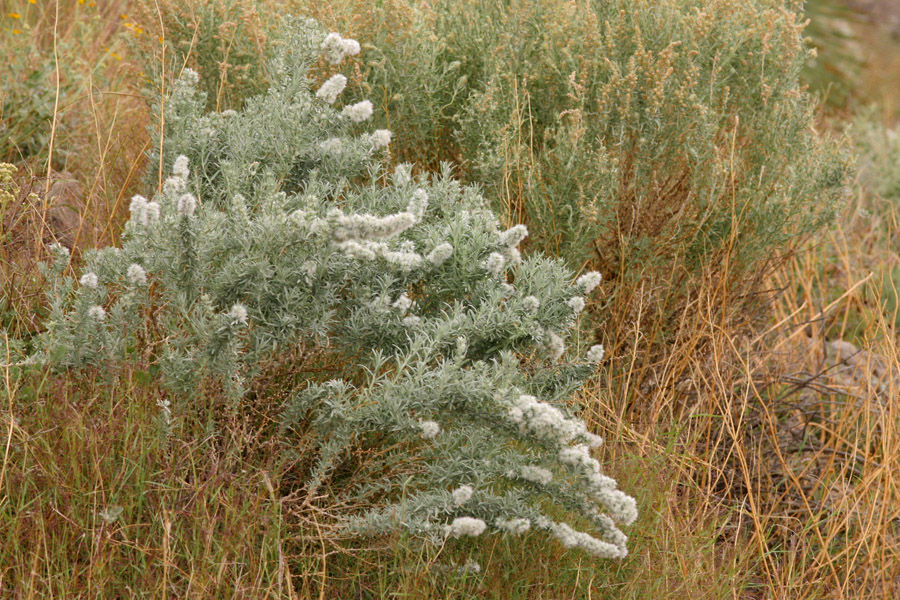
This fall I’m collecting seeds from two native shrubs, rabbitbrush and winterfat, along my regular walking trail, hoping to propagate them for my yard. Both are drought and wind tolerant, are great wildlife species, and provide visual interest and ground cover year-round. Winterfat, especially, is very difficult to find commercially. I’m planning to set up milk jugs for winter sowing of this species in the next month or so.

Another species whose seeds I plan to spread is sacred datura. This hardy plant is large and showy enough to draw the eye in a wildlife garden or untended landscape. Huge trumpet-shaped white flowers provide interest in a night garden and support large moths. (They are not good for yards with children or pets, due to toxins in seeds, flowers, and foliage.) I’ll collect the large spiny fruits once they are dry, and later this fall will scatter seeds in some wilder areas of our property.
Flagstaff has several resources for learning about and trying seed saving. Local growers including Jackee Alston (Nevermore Gardens), Tina Gustafson (Elevated Gardening), and Amelia Knutson (Lily of the Field) occasionally offer workshops on saving and starting seeds. They are also great sources of local seeds for both yard and garden. And seed saving by local gardeners bolsters the Grow Flagstaff! Seed Library operated by the Master Gardeners’ Association and Coconino County Extension. Any county resident can visit there for information and free seeds of both wild and cultivated species.
From the birth of agriculture to today’s garden catalogs marketing heritage varieties, seed saving is a core part of stewarding the plants we love. Try it yourself this fall!
Laura Huenneke is a plant ecologist, a certified Master Gardener, and the coordinator of the Gardening Etcetera column. Gardening Etcetera is written for the community by certified Master Gardeners of the University of Arizona's Coconino County Cooperative Extension Master Gardener Program. Have a gardening question? Visit our Online Plant Help Desk at https://extension.arizona.edu/programs/coconino-county-master-gardener.


Comments